Installation
Radiant barrier installation depends on the building assembly. Use this guide to choose the method that matches where the material will go, then choose the roll width that makes the work easier.
Not sure which product to use?
Laser Perforated (LP) is the safer default for most vented attic and breathable assemblies. Vapor Barrier (VB) is for assemblies that intentionally need a non-perforated vapor barrier or radon barrier.
Laser Perforated (LP) is the safer default for most vented attic and breathable assemblies. Vapor Barrier (VB) is for assemblies that intentionally need a non-perforated vapor barrier or radon barrier.
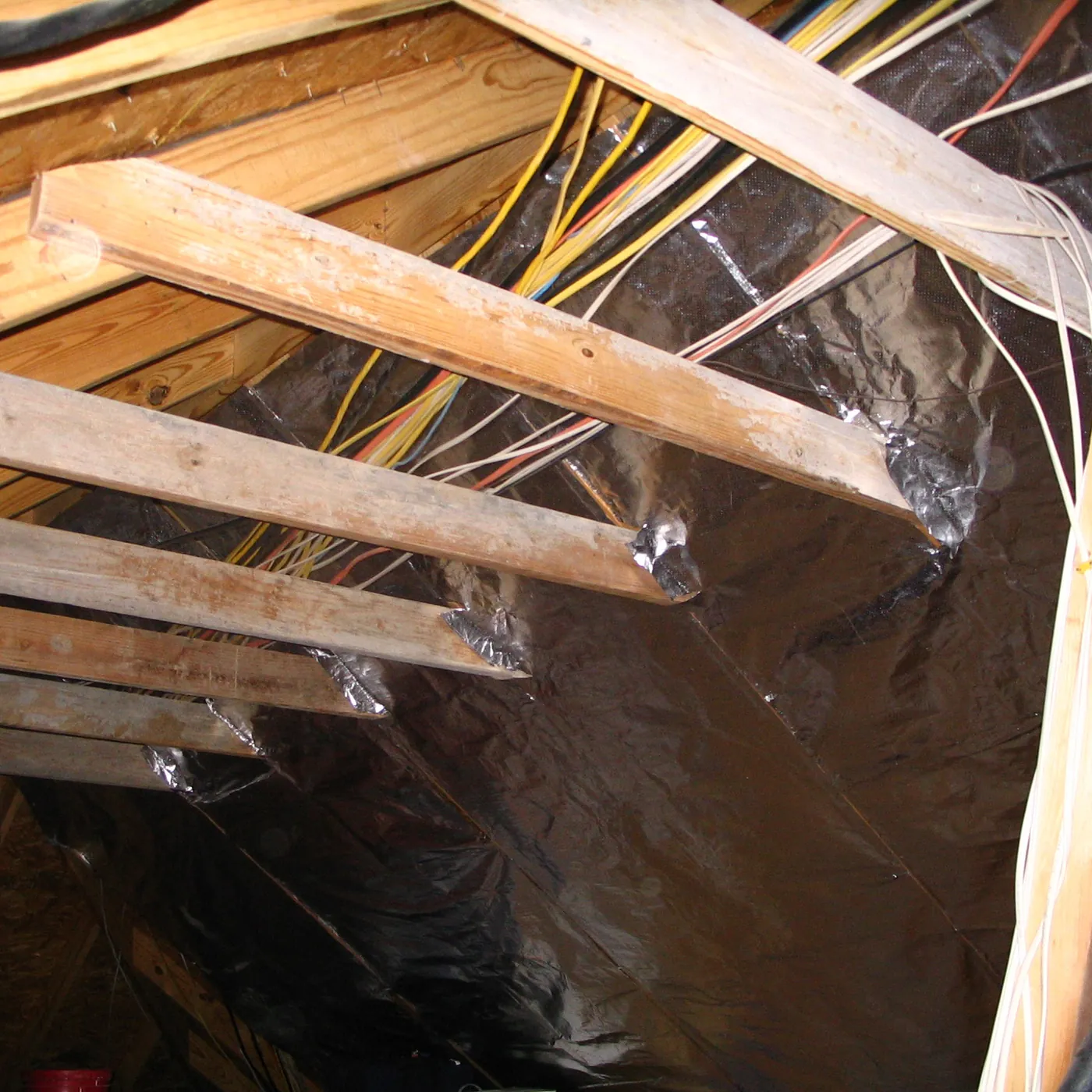 Existing Attic Roof RaftersStaple Laser Perforated (LP) under roof rafters to block radiant heat before it reaches ducts and attic equipment.
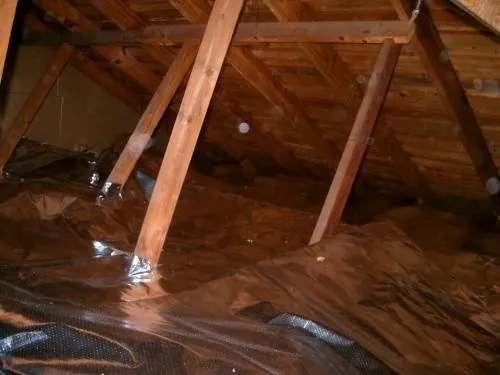 Attic FloorUnroll over existing insulation where attic access makes rafter installation difficult.
 New Roof DeckingDrape or install radiant barrier during new roof framing before the deck is installed.
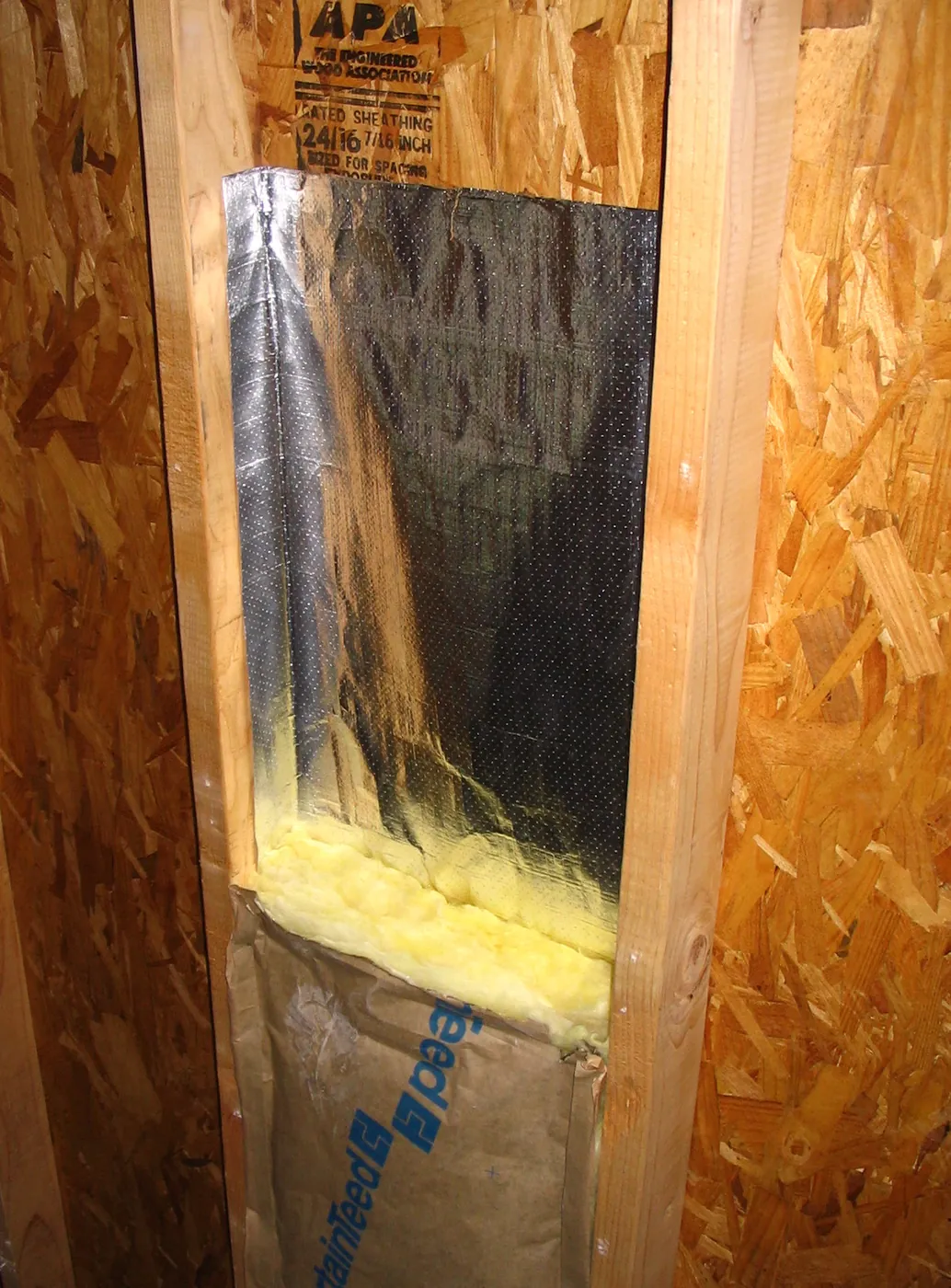 Walls and Knee WallsUse radiant barrier with an air space for walls, knee walls, and selected exterior assemblies.
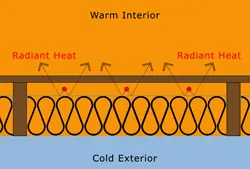 Floors and Crawl SpacesReflect heat under elevated floors, radiant floors, and crawl-space assemblies.
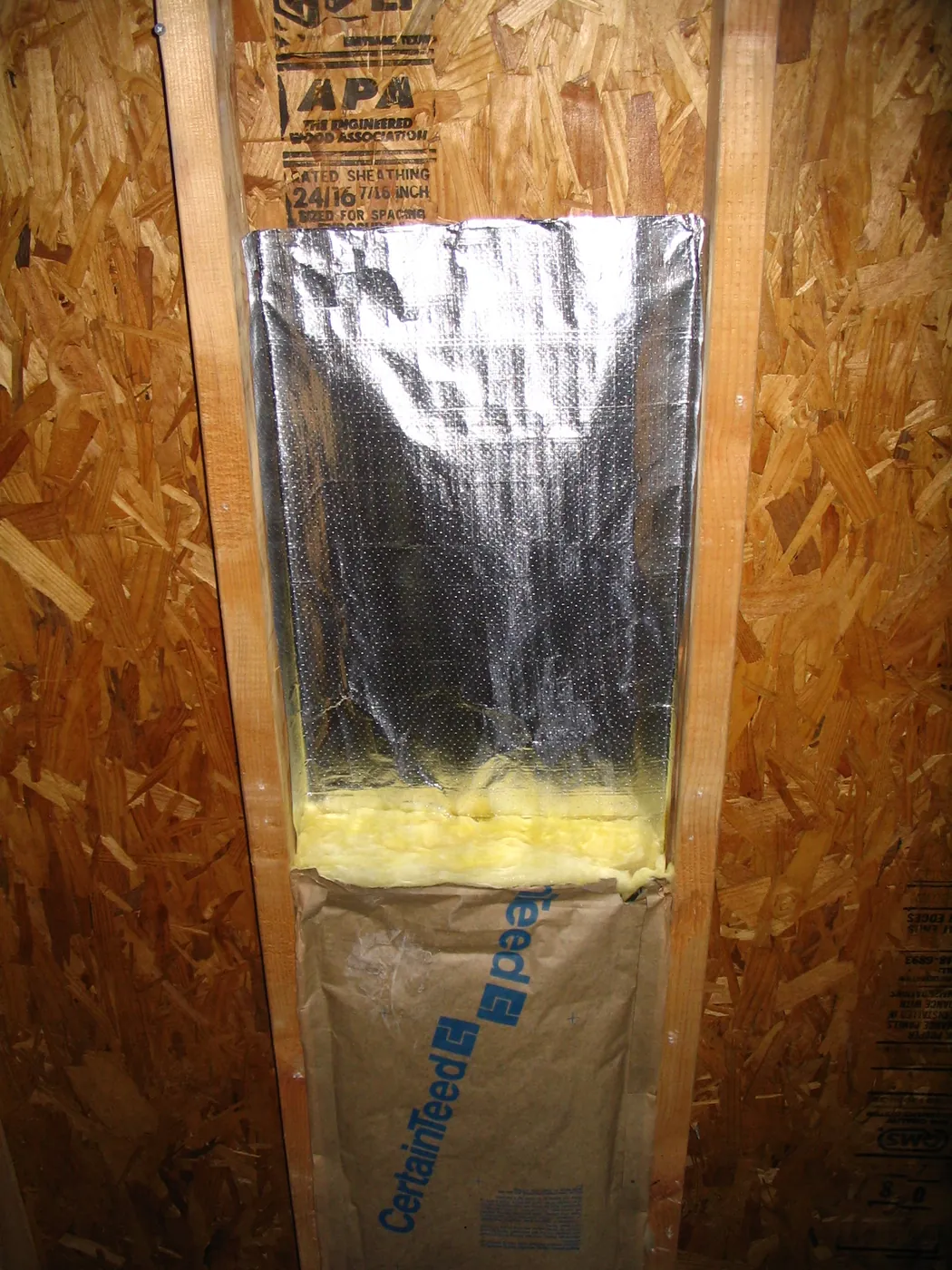 Cathedral CeilingsMaintain an air space below the roof deck while preserving ventilation paths.
Basic tools
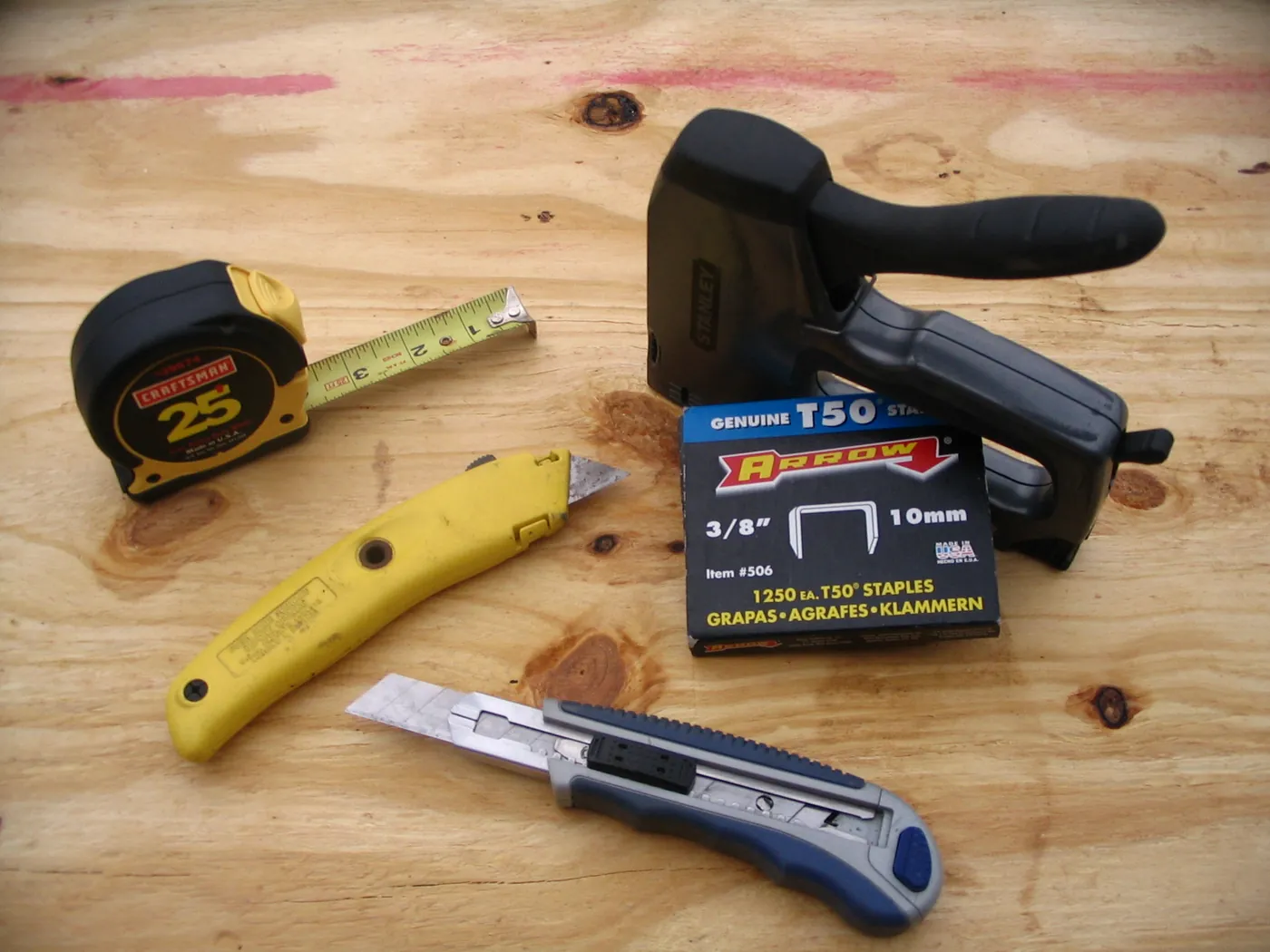
- Staple gun
- Utility knife or box cutter
- Measuring tape
- Dust mask
- Safety glasses
- Ladder and shop light as needed
Plan your order
Ready to size your project?
Laser Perforated (LP) is the safer default for most vented attics and breathable assemblies. Choose Vapor Barrier (VB) only when non-perforated vapor control is an intentional part of the design.